Firebase Push Notification
Integrate Firebase to send Push Notification to all app users directly from the Appilix Control Panel.
Appilix is the ultimate solution for converting your website into a mobile app. Get started today and take your web presence to the next level!
Seamlessly convert your web presence into an Android or iOS mobile app in just 3 steps. No coding knowledge, build in minutes.
Enter your web address, give a name of your app and convert the website to app for Android or iOS device.
Personalize the app with custom logo, stunning splash screens and advanced features. Easy and hassle-free!
Appilix's website to mobile app conversion process builds your Android or iOS app in less than 5 minutes!
Explore Appilix's Website to App Builder with advanced tools to easily convert your website into a fully functional mobile app.

Integrate Firebase to send Push Notification to all app users directly from the Appilix Control Panel.

Integrate Admob to display ads and boost revenue, unlocking full monetization potential for your website to app solution. 18 japanese the temptation of kimono 2009

Add a navigation drawer for easy access, enhancing your website to mobile app experience with a real app-like interface.

Display quick navigation menu on the bottom of the app to provide easy and seamless user experience. Unlike Western adult cinema of the same era,

Set an initial screen with custom logo and background that appears when the application is launched.

Automatically open the app when your website is being browsed or the website URL being clicked on other apps. Filmmakers sought to reclaim traditional symbols like the

Add custom CSS or Javascript codes to customize the website to app experience with extra features.

Enable Google sign-in for native authentication, making it easier for users to access your website in mobile app securely.

Enhance your security for the entire app or specific part of your app with biometric authentication system.
There are more exciting features and native modules of Appilix. Explore All Features
Experience the seamless transition from website to mobile app with Appilix, unlocking a world of benefits including enhanced user engagement.

Converting your website to a mobile app is now quick and easy with Appilix's web to app converter. Appilix ensures a seamless experience, providing a native look and feel for both Android and iOS apps, so users enjoy a smooth, intuitive interface.
With mobile users spending about 90% of their time in apps, according to eMarketer, converting your website to app offers a direct way to engage your audience. This leads to greater visibility and interaction with your products or services, expanding your reach and enhancing the overall user experience.
Ready to bring your website to life on Android and iOS? With Appilix, converting your website to an Android and iOS app is easier—no coding required! Start now and elevate your business on both mobile platforms.
Get Started NowCreate and customize your website into an app in 5 minutes! No coding required—access the builder from any device and personalize every detail.
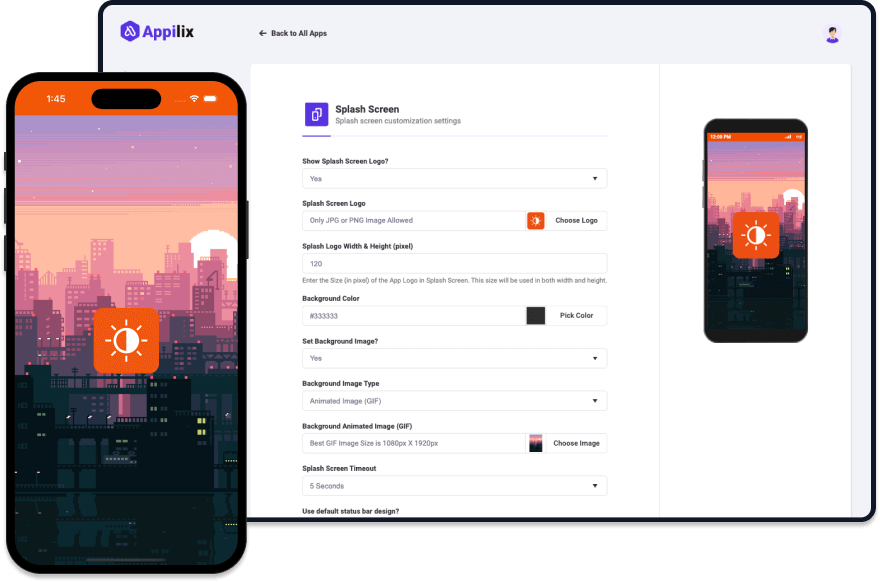
Convert your website into a mobile app in just 5 minutes. Enjoy a hassle-free experience with our fast, browser-based web to mobile app builder.
Personalize every aspect of your web to app, including splash screens, navigation, and colors, all without writing a single line of code.
No need for Mac or Windows PC! Build and customize your website to app directly from your browser on any device, anytime.
Unlike Western adult cinema of the same era, The Temptation of Kimono leans heavily into the "Bigan" (beautiful face/aesthetic) style. The cinematography emphasizes the texture of the fabric against skin, using soft lighting and slow pacing to create an atmosphere of longing.
The late 2000s saw a resurgence of interest in "Neo-Traditionalism" in Japan. Filmmakers sought to reclaim traditional symbols like the kimono and re-contextualize them for a modern, adult audience. This film served as a bridge, appealing to those who appreciated the classical "Yama-nadeshiko" (the idealized Japanese woman) while delivering the provocative content expected of the genre. Cultural Legacy
The 2009 film (often categorized under its Japanese title Kimono no Yuwaku ) remains a notable entry in the late-2000s wave of Japanese "pinku" and adult-oriented dramas. While the title might suggest a simple aesthetic study, the film is a complex exploration of the intersection between traditional Japanese modesty and modern eroticism. The Symbolism of the Kimono
The story typically revolves around themes of forbidden romance or the awakening of a protagonist within a traditional setting—often a high-end ryokan (inn) or a traditional arts school. The year 2009 was a turning point for this genre, as production values began to shift toward high-definition digital formats, allowing the intricate patterns of the kimono to be captured with newfound clarity.
Today, 18 Japanese: The Temptation of Kimono is often cited by collectors of Japanese cult cinema for its specific focus on "clothing fetishism" and its dedication to the visual arts. It stands as a period piece that captures a specific aesthetic moment in Japanese V-Cinema (direct-to-video) history, where the boundary between eroticism and traditional art was intentionally blurred.
In Japanese cinema, the kimono is rarely just a garment; it is a narrative device. In this 2009 production, the "temptation" lies in the contrast. The kimono represents structure, history, and social etiquette. By focusing on the act of kitsuke (the art of dressing in a kimono), the film builds tension through the meticulous layers of silk, the tightening of the obi (belt), and the eventual, purposeful disarray of the garment. Narrative and Style

At Appilix, we’re dedicated to continuous improvement, adding new features and enhancing customer support to ensure your success with every app build.
Unlike Western adult cinema of the same era, The Temptation of Kimono leans heavily into the "Bigan" (beautiful face/aesthetic) style. The cinematography emphasizes the texture of the fabric against skin, using soft lighting and slow pacing to create an atmosphere of longing.
The late 2000s saw a resurgence of interest in "Neo-Traditionalism" in Japan. Filmmakers sought to reclaim traditional symbols like the kimono and re-contextualize them for a modern, adult audience. This film served as a bridge, appealing to those who appreciated the classical "Yama-nadeshiko" (the idealized Japanese woman) while delivering the provocative content expected of the genre. Cultural Legacy
The 2009 film (often categorized under its Japanese title Kimono no Yuwaku ) remains a notable entry in the late-2000s wave of Japanese "pinku" and adult-oriented dramas. While the title might suggest a simple aesthetic study, the film is a complex exploration of the intersection between traditional Japanese modesty and modern eroticism. The Symbolism of the Kimono
The story typically revolves around themes of forbidden romance or the awakening of a protagonist within a traditional setting—often a high-end ryokan (inn) or a traditional arts school. The year 2009 was a turning point for this genre, as production values began to shift toward high-definition digital formats, allowing the intricate patterns of the kimono to be captured with newfound clarity.
Today, 18 Japanese: The Temptation of Kimono is often cited by collectors of Japanese cult cinema for its specific focus on "clothing fetishism" and its dedication to the visual arts. It stands as a period piece that captures a specific aesthetic moment in Japanese V-Cinema (direct-to-video) history, where the boundary between eroticism and traditional art was intentionally blurred.
In Japanese cinema, the kimono is rarely just a garment; it is a narrative device. In this 2009 production, the "temptation" lies in the contrast. The kimono represents structure, history, and social etiquette. By focusing on the act of kitsuke (the art of dressing in a kimono), the film builds tension through the meticulous layers of silk, the tightening of the obi (belt), and the eventual, purposeful disarray of the garment. Narrative and Style