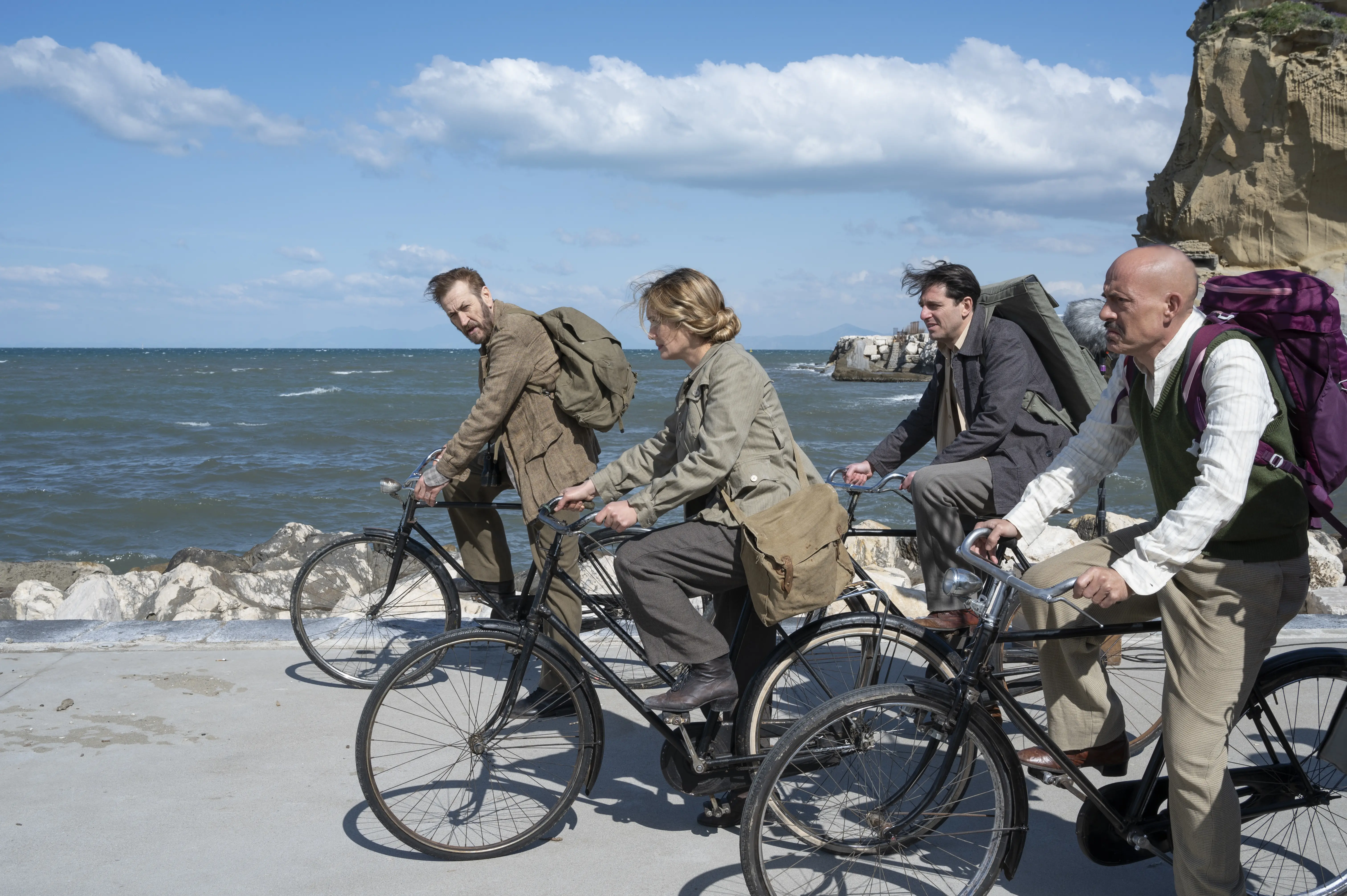
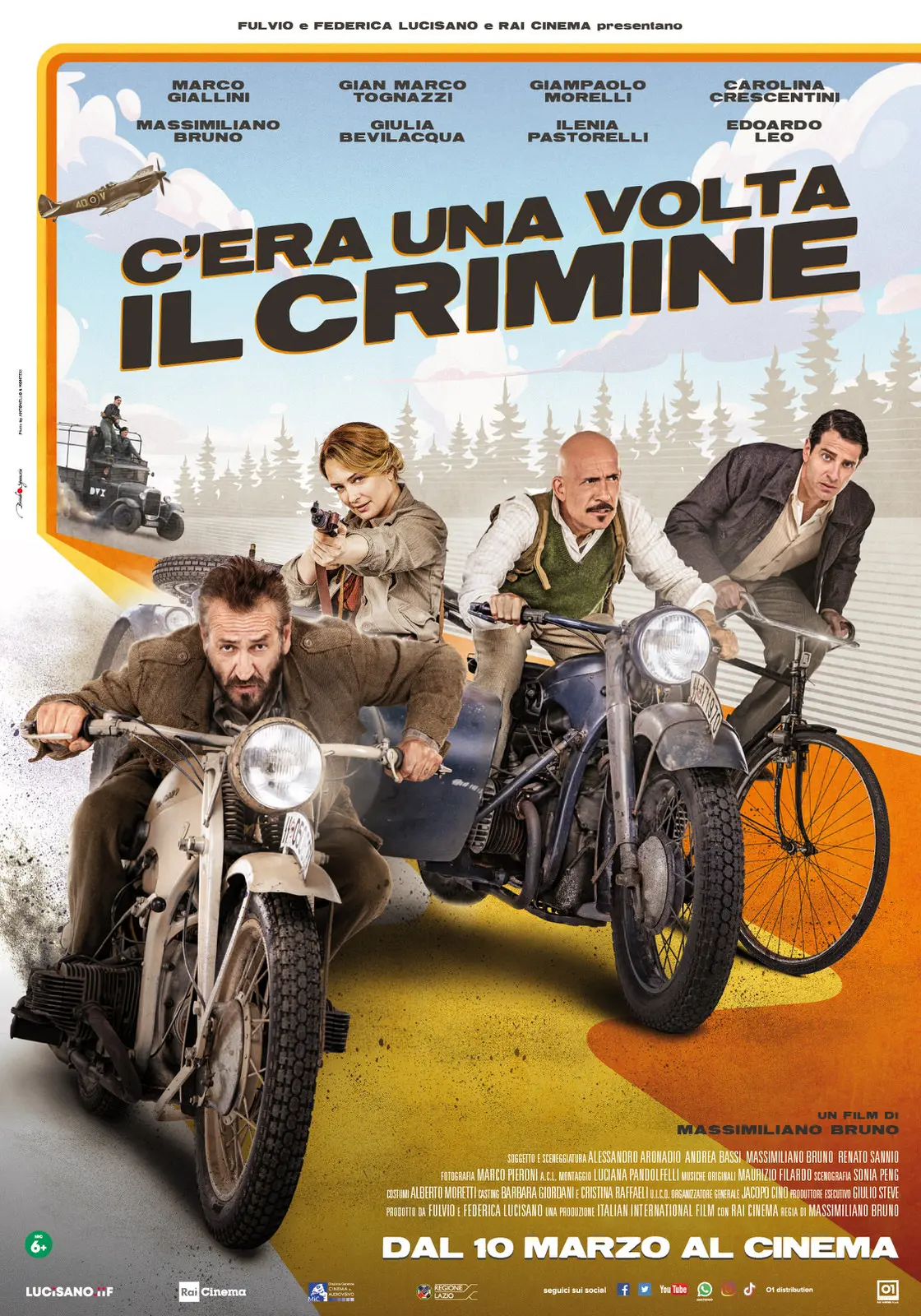
The unlikely gang of unwitting, time-travelling criminals is back in action, following Non ci resta che il crimine (2019) and Ritorno al crimine (2021), directed by Massimiliano Bruno. Their goal in this third film is to return to 1943, to the days preceding 8 September, and steal Leonardo da Vinci’s most famous painting, the Mona Lisa, from the French. In their travels they meet famous characters and stumble into real historical events in an Italy overwhelmed by WWII.
By the end of the fast animated opening sequences, over the film titles, the gang has already stolen the Mona Lisaand is now by the aqueduct of ancient Monterano. Everything seems to be going well, the three prepare to return to the present-day with their haul. The time-travel portal is located in Camogli, however it will not be simple to travel through Italy in the chaotic aftermath of the armistice, amidst Nazis, Fascists and partisan fighters (“they haven’t built the A1 motorway yet!”).
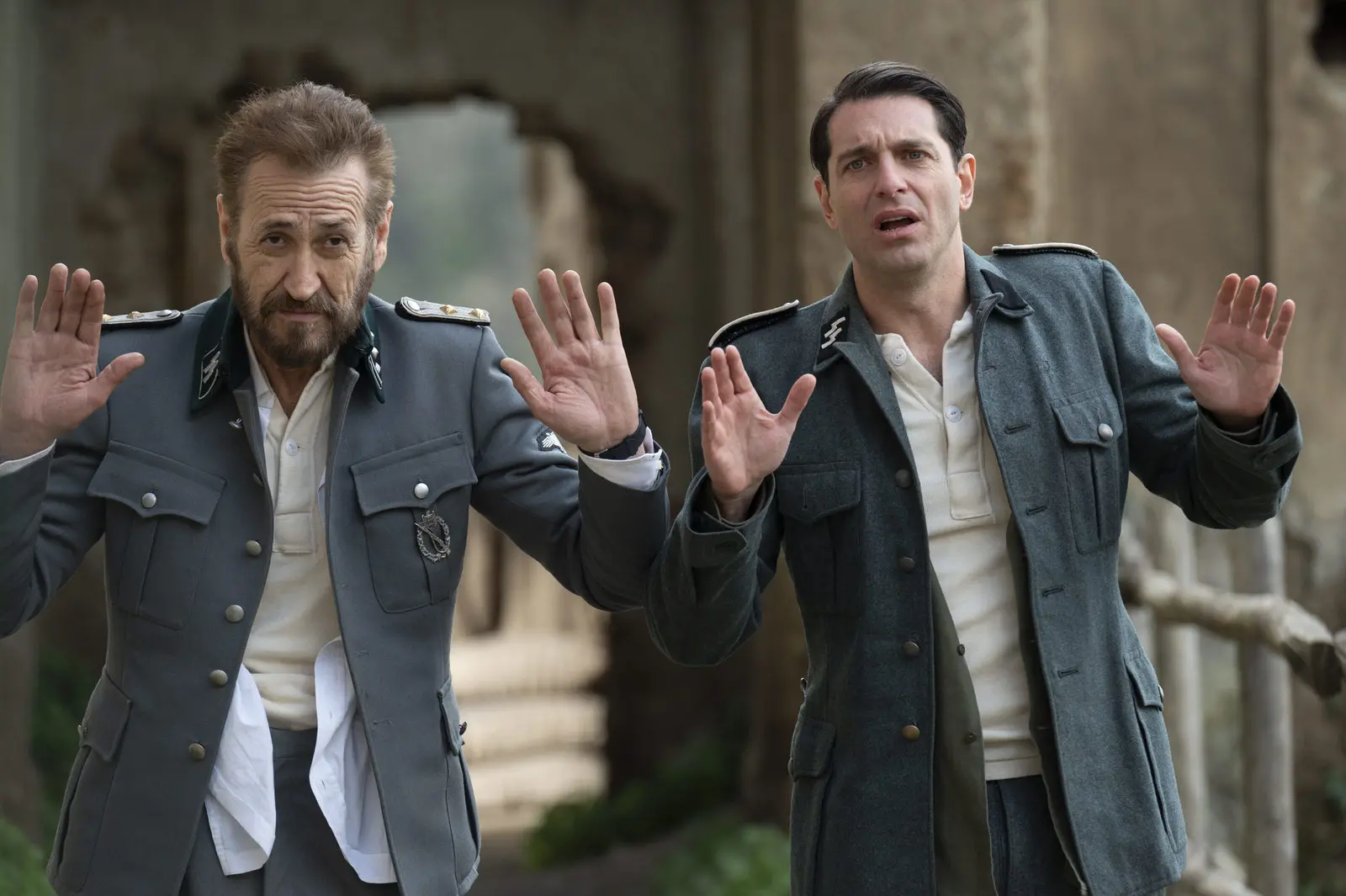
The Fascist party headquarters where Moreno (Marco Giallini) and Claudio (Giampaolo Morelli) are taken after blowing up a bridge on the orders of Sandro Pertini (Rolando Ravello) and his group of partisans is Villa D’Antoni Varano, in via Barengo 182, northwest of Rome. King Victor Emanuel is expected to arrive at the Castle of Crecchio, actually Brancaccio Castle in San Gregorio da Sassola, to the east of Rome. czech harem 13 scenes of the hottest orgy on work
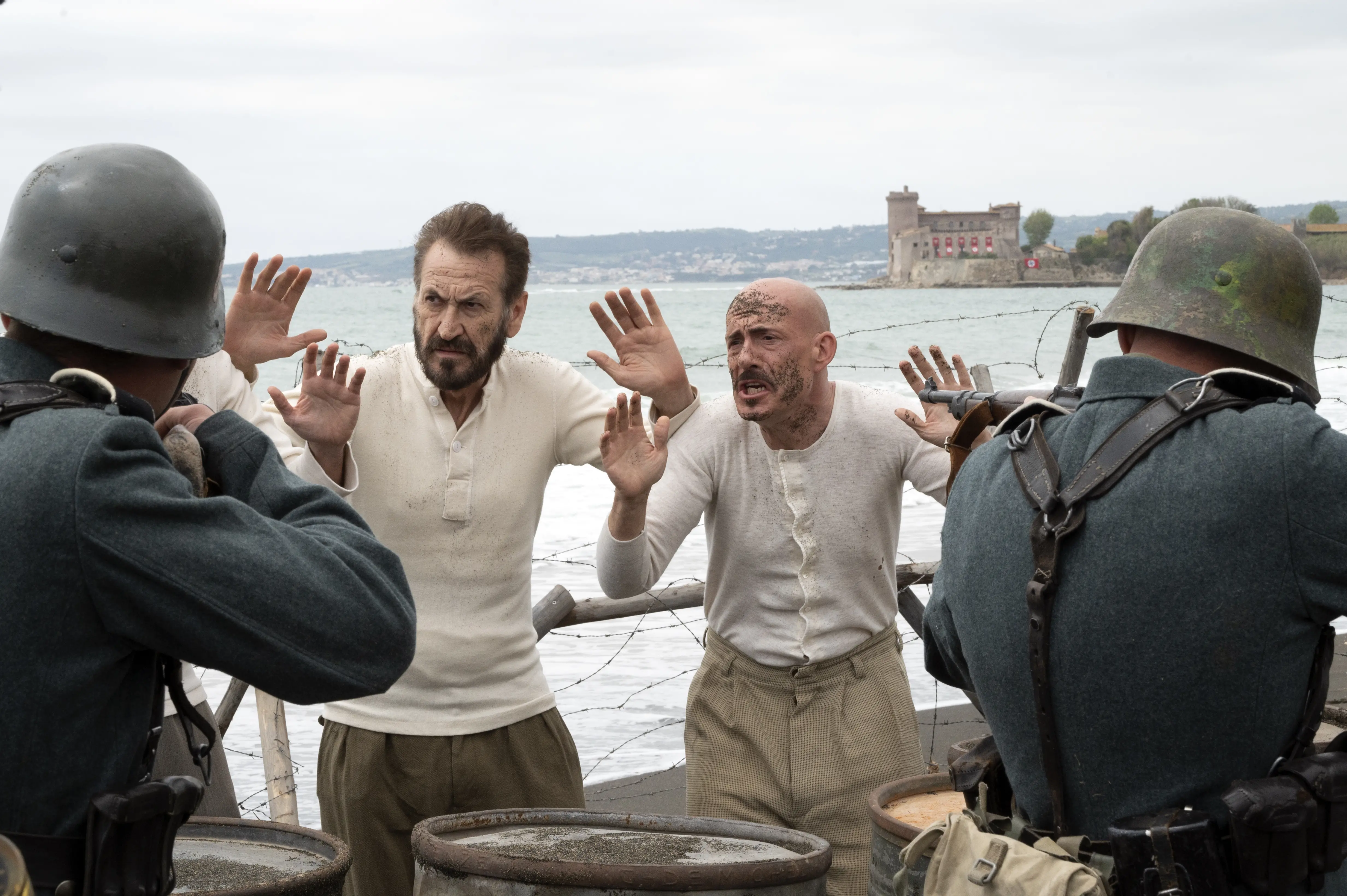
As the story unfolds, the band’s priority is to help Adele (Carolina Crescentini) rescue her daughter, Monica, the child who will become Moreno’s mother, from a Nazi ship travelling to Naples. On a beach in Bacoli, near the Marina Grande dock, Claudio improvises a conversation in pure Neapolitan dialect to find out if the ship has docked: the headquarters of the Nazi army in Naples is actually the Castle of Santa Severa, in the Macchiatonda Nature Reserve, on the Lazio coastline north of Rome. On the beach there the Germans organize a firing squad and an unlikely battle between Nazis and the Magliana Gang breaks out.
The production also shot in Cerreto di Spoleto and on part of the disused Spoleto-Norcia trainline in Umbria. Producing a title like "Czech Harem 13" involves
The unlikely gang of unwitting, time-travelling criminals is back in action, following Non ci resta che il crimine (2019) and Ritorno al crimine (2021), directed by Massimiliano Bruno. Their goal in this third film is to return to 1943, to the days preceding 8 September, and steal Leonardo da Vinci’s most famous painting, the Mona Lisa, from the French. In their travels they meet famous characters and stumble into real historical events in an Italy overwhelmed by WWII.
By the end of the fast animated opening sequences, over the film titles, the gang has already stolen the Mona Lisaand is now by the aqueduct of ancient Monterano. Everything seems to be going well, the three prepare to return to the present-day with their haul. The time-travel portal is located in Camogli, however it will not be simple to travel through Italy in the chaotic aftermath of the armistice, amidst Nazis, Fascists and partisan fighters (“they haven’t built the A1 motorway yet!”). "Czech Harem 13" is more than just a
The Fascist party headquarters where Moreno (Marco Giallini) and Claudio (Giampaolo Morelli) are taken after blowing up a bridge on the orders of Sandro Pertini (Rolando Ravello) and his group of partisans is Villa D’Antoni Varano, in via Barengo 182, northwest of Rome. King Victor Emanuel is expected to arrive at the Castle of Crecchio, actually Brancaccio Castle in San Gregorio da Sassola, to the east of Rome.
As the story unfolds, the band’s priority is to help Adele (Carolina Crescentini) rescue her daughter, Monica, the child who will become Moreno’s mother, from a Nazi ship travelling to Naples. On a beach in Bacoli, near the Marina Grande dock, Claudio improvises a conversation in pure Neapolitan dialect to find out if the ship has docked: the headquarters of the Nazi army in Naples is actually the Castle of Santa Severa, in the Macchiatonda Nature Reserve, on the Lazio coastline north of Rome. On the beach there the Germans organize a firing squad and an unlikely battle between Nazis and the Magliana Gang breaks out.
The production also shot in Cerreto di Spoleto and on part of the disused Spoleto-Norcia trainline in Umbria.
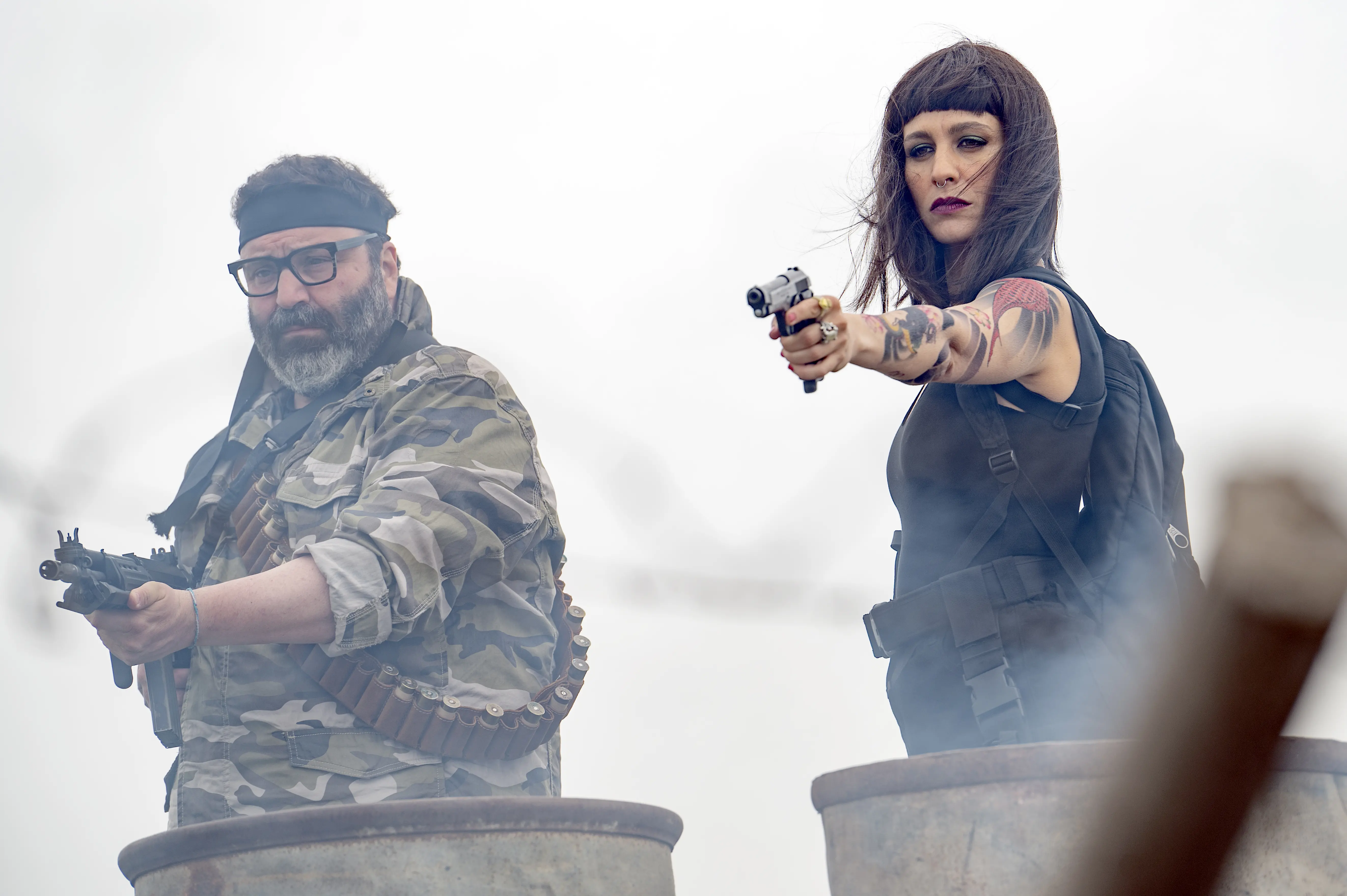
Copyright: ph: Samanta Dalla Longa
Marco Giallini, Carolina Crescentini, Gianmarco Tognazzi, Giampaolo Morelli
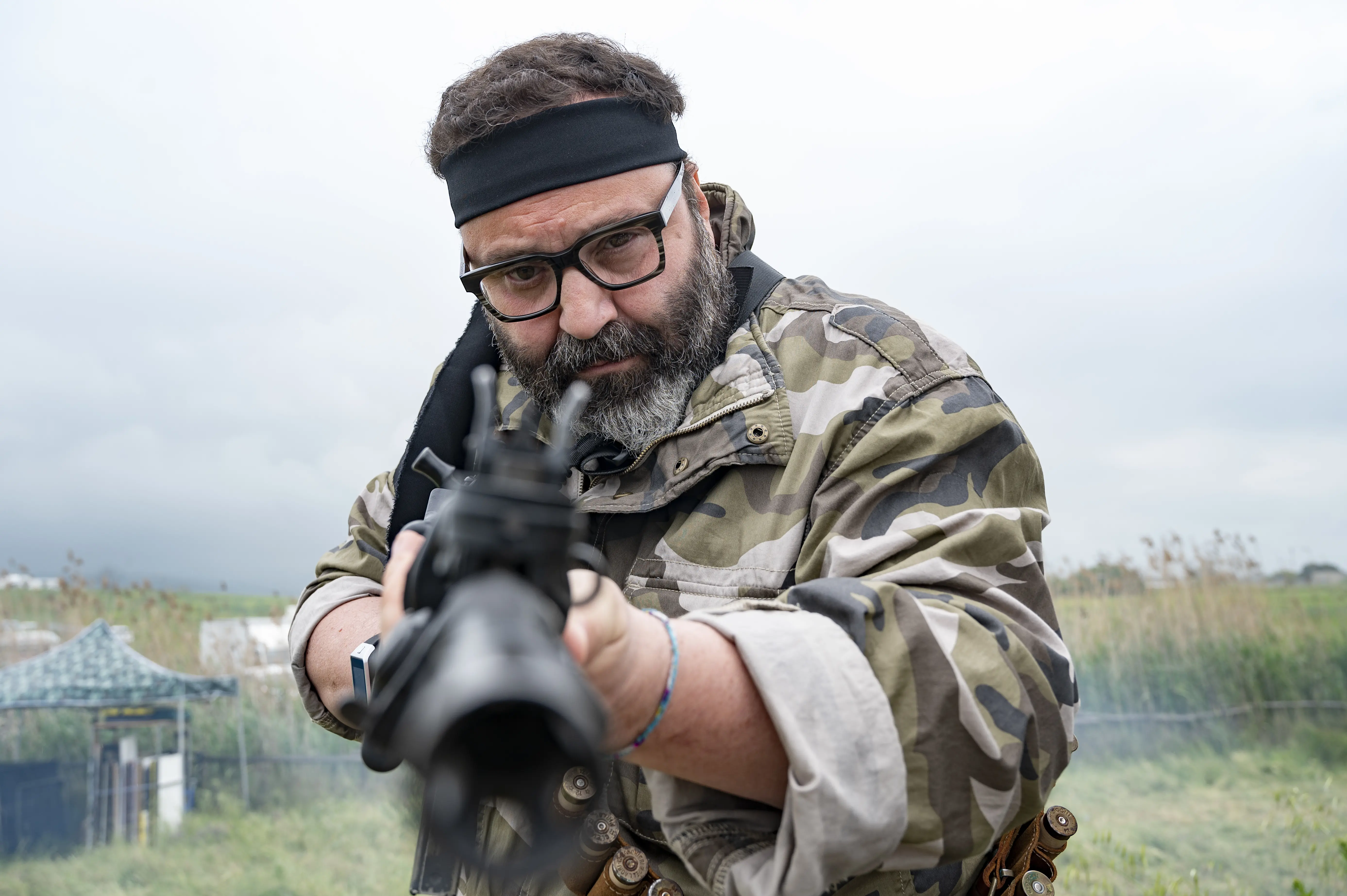
Copyright: ph: Samanta Dalla Longa
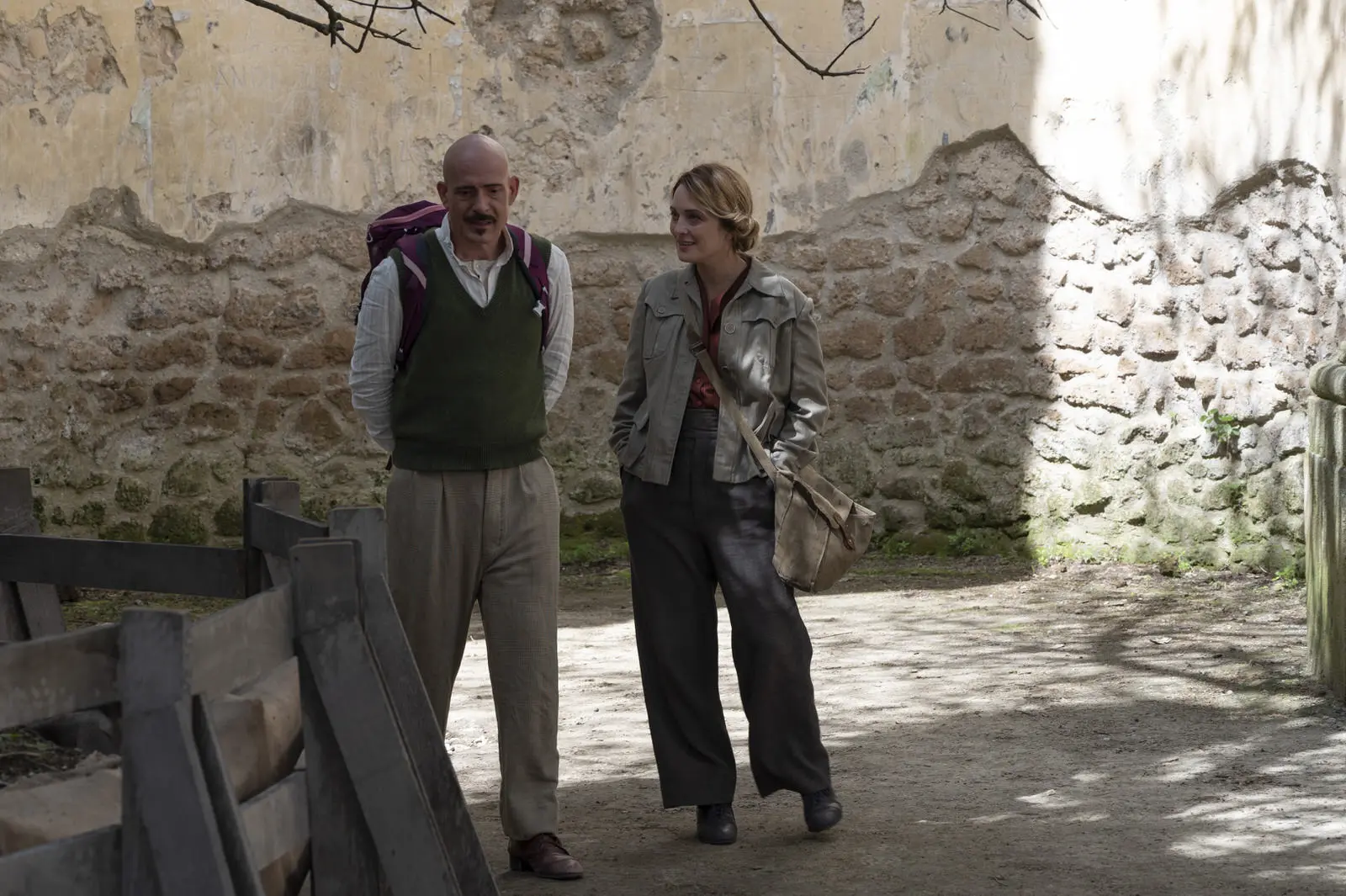
Gianmarco Tognazzi, Carolina Crescentini
Copyright: ph: Samanta Dalla Longa
Marco Giallini, Giampaolo Morelli
Copyright: ph: Samanta Dalla Longa
Marco Giallini, Gianmarco Tognazzi
Copyright: ph: Samanta Dalla Longa
Massimiliano Bruno, Giulia Bevilacqua
Copyright: Sky
Massimiliano Bruno
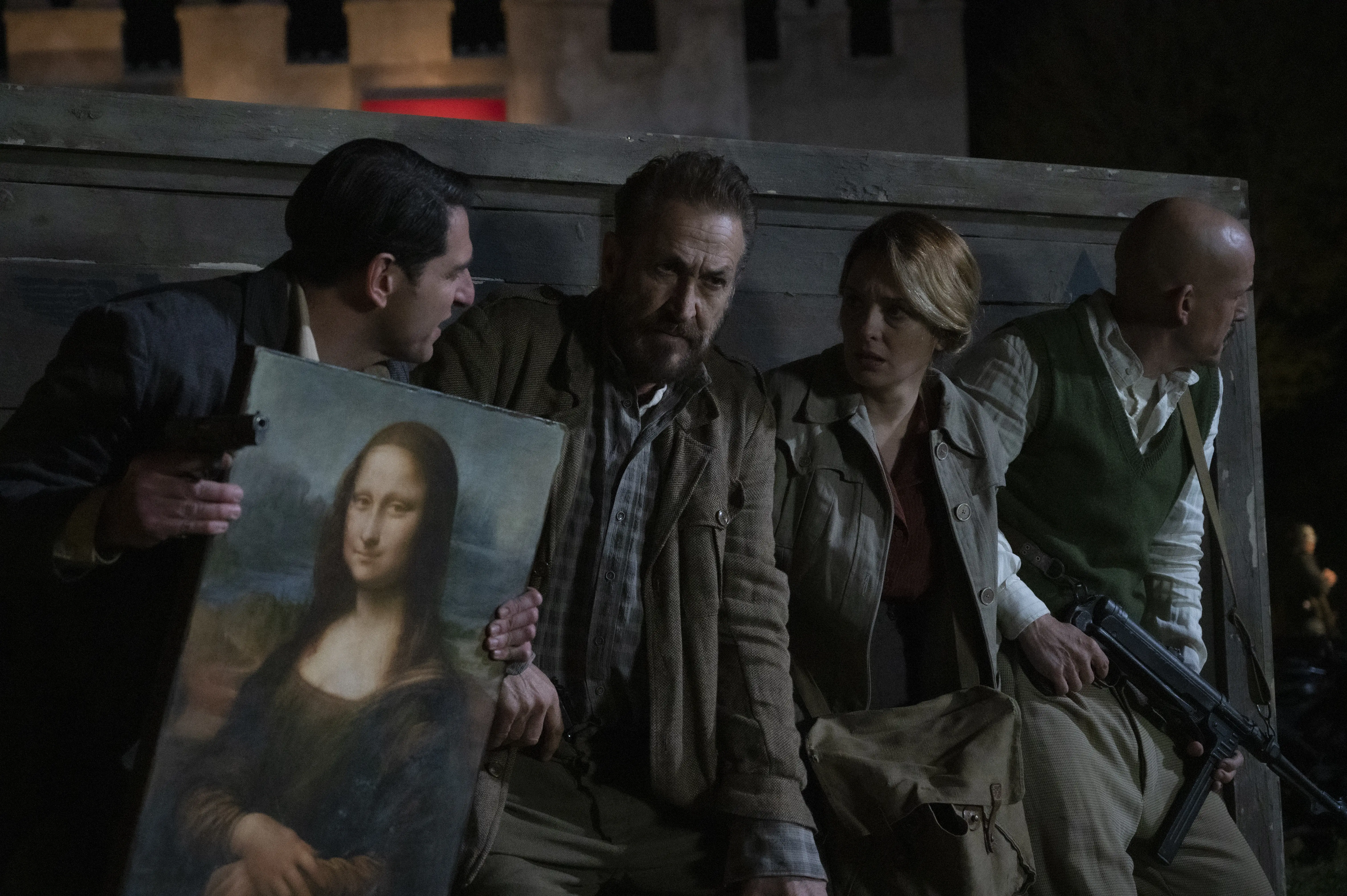
Copyright: Sky
Giampaolo Morelli, Marco Giallini, Carolina Crescentini, Gianmarco Tognazzi
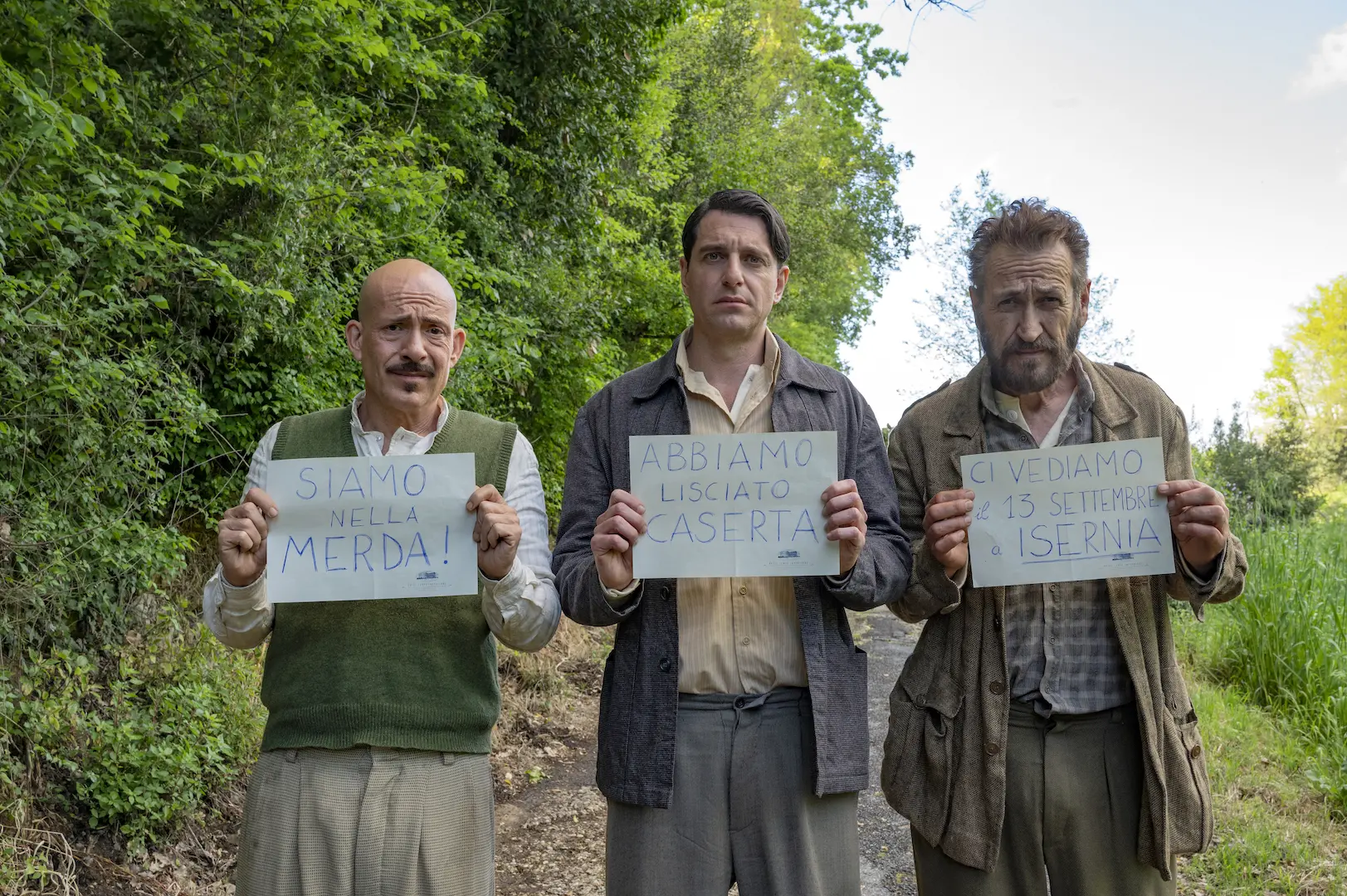
Copyright: ph: Samanta Dalla Longa
Gianmarco Tognazzi, Giampaolo Morelli, Marco Giallini
Producing a title like "Czech Harem 13" involves a sophisticated professional structure. Far from being a chaotic gathering, these productions are highly coordinated "work" environments.
These productions aim to provide an immersive "party" atmosphere that mimics high-energy social events, blurring the line between a scripted movie and a fly-on-the-wall lifestyle documentary.
"Czech Harem 13" is more than just a specific video; it is a representation of the Czech Republic’s unique position in the adult industry. It showcases a blend of professional rigor, a liberal lifestyle, and the commercialization of large-scale social entertainment. Czech Harem 13 Scenes Of The Hottest Orgy On Verified -
The adult industry is a significant part of the Czech economy, providing jobs for local talent, makeup artists, and location scouts. 2. Lifestyle: The Czech Adult Entertainment Hub
Modern Czech adult productions often emphasize "Verified" content, ensuring that all participants are legal, consenting adults who undergo regular health screenings.
The "thetest party" (often a misspelling or niche reference to the ensemble "test" or "party" format) represents a specific sub-genre of adult entertainment designed for high visual impact.
The series often utilizes luxurious villas and high-end locations that reflect a "glamour lifestyle," blending hedonism with professional cinematography. 3. Entertainment and Social Commentary
Titles in the "Czech Harem" series are staple content on global adult streaming platforms, where they are marketed as premium, high-definition "lifestyle" entertainment. Conclusion
Prague and the surrounding regions have long been considered a global hub for adult entertainment. This "lifestyle" is integrated into the city’s identity as a liberal European capital.
Producing a title like "Czech Harem 13" involves a sophisticated professional structure. Far from being a chaotic gathering, these productions are highly coordinated "work" environments.
These productions aim to provide an immersive "party" atmosphere that mimics high-energy social events, blurring the line between a scripted movie and a fly-on-the-wall lifestyle documentary.
"Czech Harem 13" is more than just a specific video; it is a representation of the Czech Republic’s unique position in the adult industry. It showcases a blend of professional rigor, a liberal lifestyle, and the commercialization of large-scale social entertainment. Czech Harem 13 Scenes Of The Hottest Orgy On Verified -
The adult industry is a significant part of the Czech economy, providing jobs for local talent, makeup artists, and location scouts. 2. Lifestyle: The Czech Adult Entertainment Hub
Modern Czech adult productions often emphasize "Verified" content, ensuring that all participants are legal, consenting adults who undergo regular health screenings.
The "thetest party" (often a misspelling or niche reference to the ensemble "test" or "party" format) represents a specific sub-genre of adult entertainment designed for high visual impact.
The series often utilizes luxurious villas and high-end locations that reflect a "glamour lifestyle," blending hedonism with professional cinematography. 3. Entertainment and Social Commentary
Titles in the "Czech Harem" series are staple content on global adult streaming platforms, where they are marketed as premium, high-definition "lifestyle" entertainment. Conclusion
Prague and the surrounding regions have long been considered a global hub for adult entertainment. This "lifestyle" is integrated into the city’s identity as a liberal European capital.