




If you cannot access the App Store, many users seek a direct DMG file . Ensure any third-party download is verified for integrity to avoid security risks.
Ensure your Mac is plugged into power; High Sierra often requires a firmware update during installation to support the new APFS file system. Conclusion
Released as the ultimate update for High Sierra, version 10.13.6 is often the "sweet spot" for older hardware. It offers: Optimized storage for SSD-equipped Macs.
If you are doing a clean install, select Disk Utility , erase your internal drive, and format it as APFS (for SSDs) or macOS Extended (Journaled) (for HDDs).
Always use Time Machine or a manual backup before proceeding.
With your bootable USB ready, follow these steps to perform the installation:
Restart your Mac and hold the Option (Alt) ⌥ key. Select the USB installer from the boot menu.
Open and paste the following command: sudo /Applications/Install\ macOS\ High\ Sierra.app/Contents/Resources/createinstallmedia --volume /Volumes/MyVolume
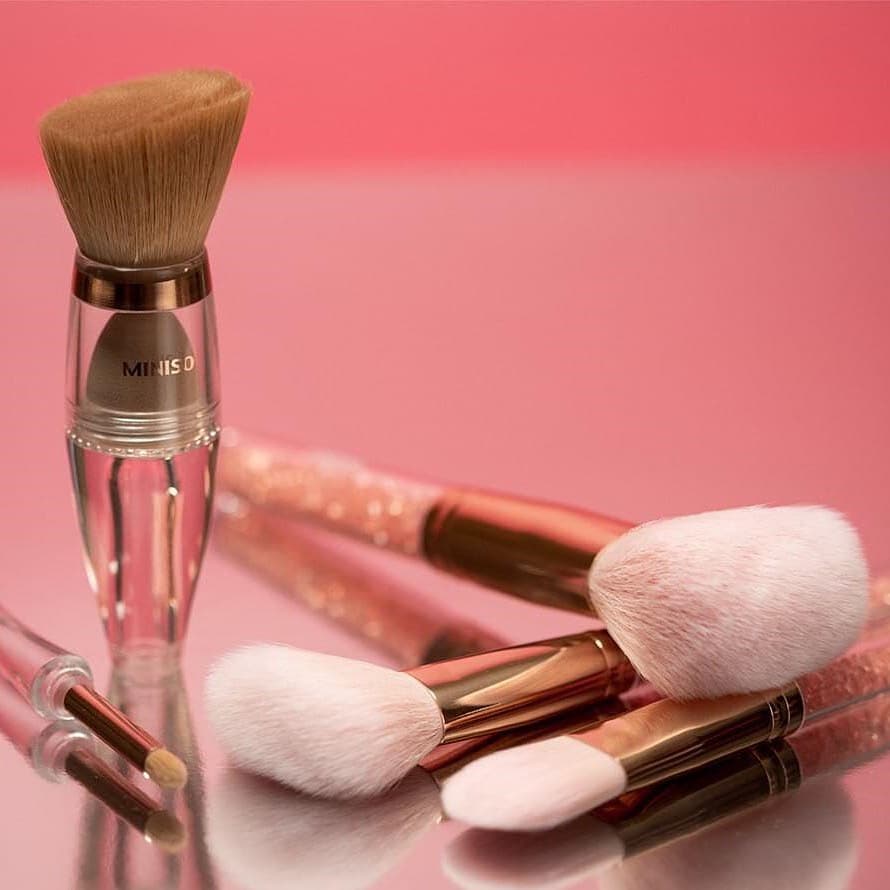
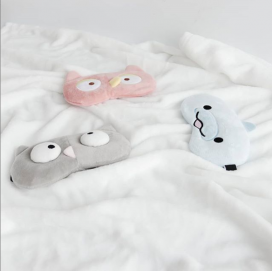
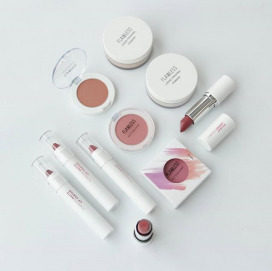

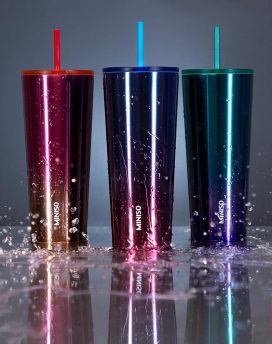



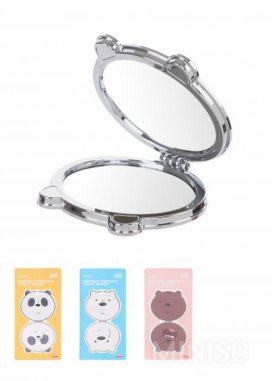
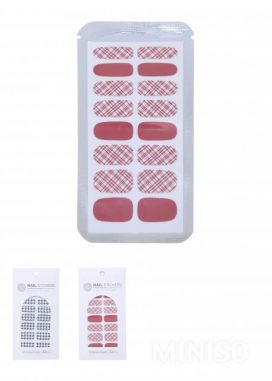


We’re here to help today’s youth discover affordable little joys
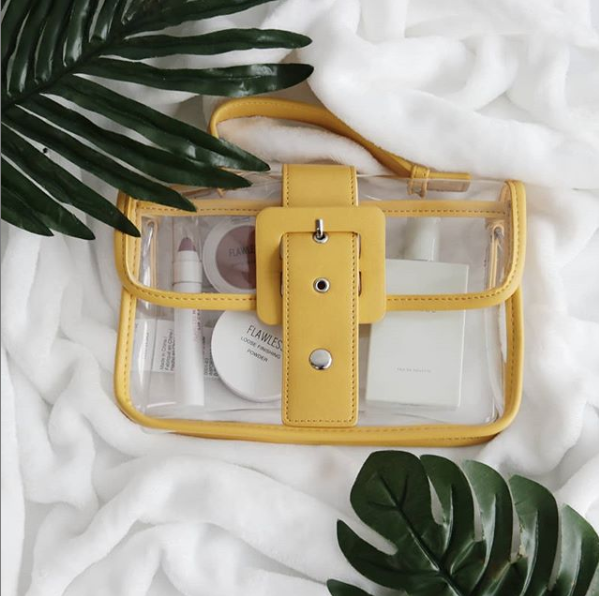
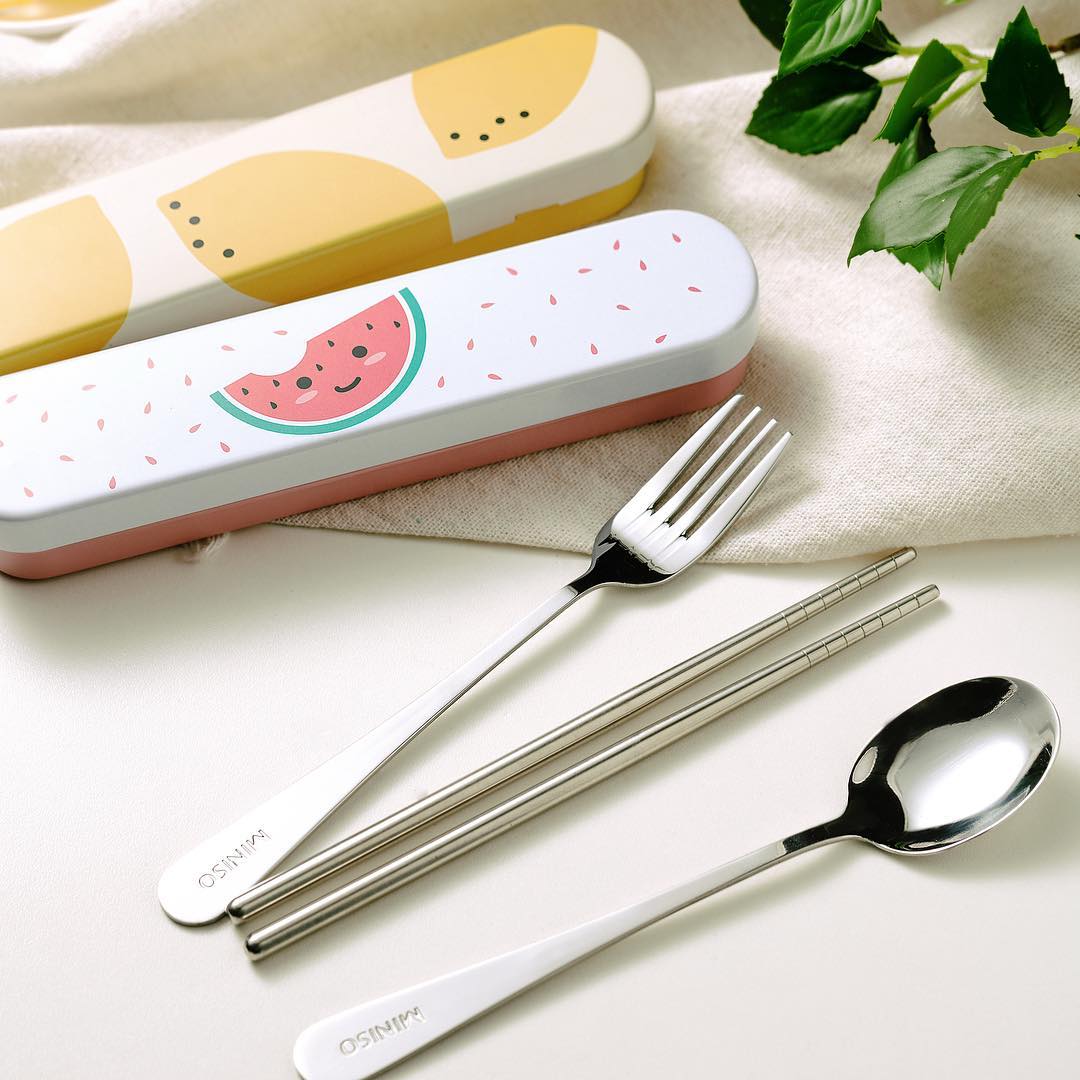
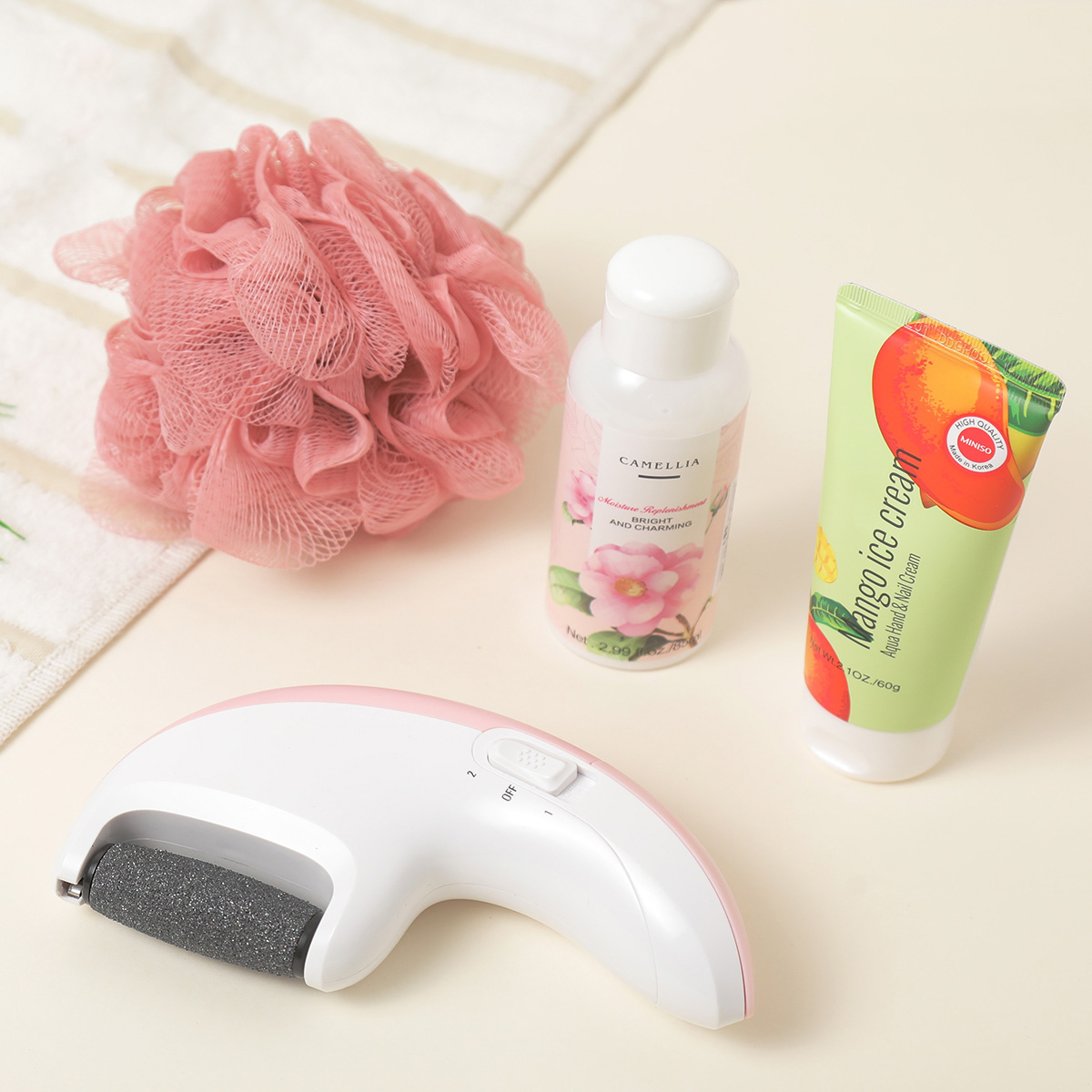
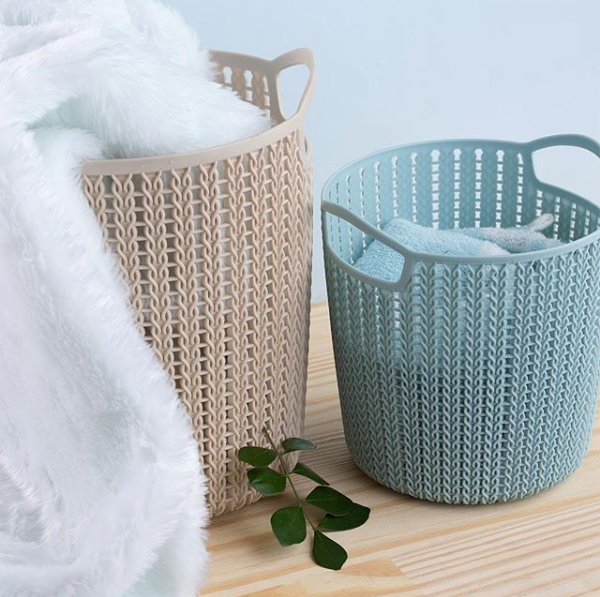
MINISO is a international product retailer, offering high quality household goods, cosmetics and food at affordable prices. Read More
Get the latest news & updates from Miniso

I am always thrilled to shop at MINISO. Quality products, cute designs, soooo many fab products and GREAT prices!
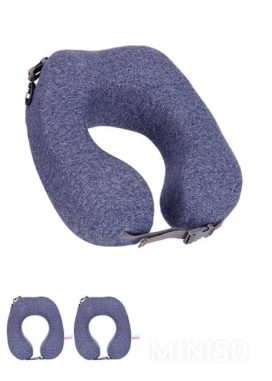
I could not travel without you being such an affordable store for all the products I bought for my trip last time, including: passport holder, luggage tag, luggage strap, travel kit, atomiser bottles and most importantly, neck pillow!
I would like to take this opportunity to thank MINISO for the wonderful shopping experience I had recently. More specifically, I bought a noodle bowl and storage boxes and was very pleased with how they were packed and given to me - each in their own individual box, which makes it extremely easy for storage.
Really appreciated the discount and offers during Global Fan Fiesta... Bought quite a few items and needless to say I'm in love with MINISO!
Besides good prices on a wide variety of products, I love the fact that it brings new design every two weeks. But the thing that impresses me most is their excellent staff and customer service.
If you cannot access the App Store, many users seek a direct DMG file . Ensure any third-party download is verified for integrity to avoid security risks.
Ensure your Mac is plugged into power; High Sierra often requires a firmware update during installation to support the new APFS file system. Conclusion
Released as the ultimate update for High Sierra, version 10.13.6 is often the "sweet spot" for older hardware. It offers: Optimized storage for SSD-equipped Macs.
If you are doing a clean install, select Disk Utility , erase your internal drive, and format it as APFS (for SSDs) or macOS Extended (Journaled) (for HDDs).
Always use Time Machine or a manual backup before proceeding.
With your bootable USB ready, follow these steps to perform the installation:
Restart your Mac and hold the Option (Alt) ⌥ key. Select the USB installer from the boot menu.
Open and paste the following command: sudo /Applications/Install\ macOS\ High\ Sierra.app/Contents/Resources/createinstallmedia --volume /Volumes/MyVolume