Savita+bhabhi+all+stories+pdf+24+fixed -
How do we distinguish between our ancestors' ideas of God and close encounters of an extraterrestrial kind?
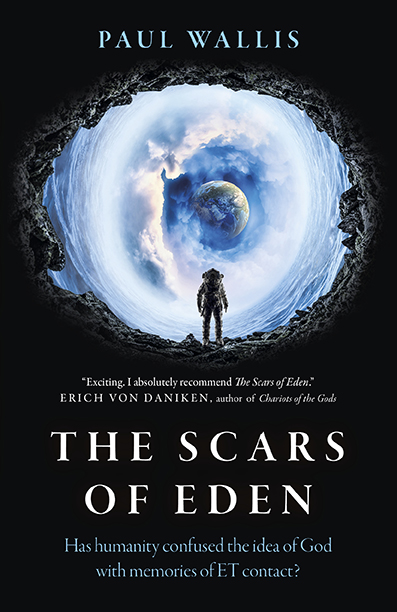
How do we distinguish between our ancestors' ideas of God and close encounters of an extraterrestrial kind?
How do we distinguish between our ancestors' ideas of God and close encounters of an extraterrestrial kind?
Ancient Mysteries & Controversial Knowledge, History, Paleontology
From the author of the bestselling ESCAPING FROM EDEN.
Do our world mythologies convey our ancestors' ideas about God? Or are they in reality ancestral memories of extra-terrestrial contact? How do ancient stories of contact, adaptation and abduction relate to people's experiences around the world today?
The Scars of Eden will take you around the world to hear first-hand from ancestral voices alongside contemporary experiencers and world-renowned researchers. Recent revelations from US Navy, the Pentagon, and French Intelligence bring the reader right up to date in examining what has been forgotten and remembered, hidden and disclosed.
If world mythologies, including the Bible, have confused the idea of God with ancient ET visitations, what difference does it make? How does it impact society today? And why is this cultural taboo so widespread and, for the author, so personal?
In the mornings, there is a frantic but coordinated effort to pack dabbas (lunchboxes). Whether it’s rotis wrapped in foil or rice and dal, a homemade meal is a point of pride.
Daily life stories are frequently narrated by elders, who pass down folklore, moral lessons, and family history. This intergenerational living ensures that children grow up with a safety net of cousins and aunts, fostering a sense of community where "privacy" is often traded for "belonging." 3. Food as the Language of Love
In most Indian homes, the day begins before the sun fully rises. Whether in a high-rise apartment in Mumbai or a courtyard house in rural Rajasthan, the first sound is often the whistle of a pressure cooker or the clinking of stainless steel cups.
The 21st-century Indian family is tech-savvy. WhatsApp groups are the modern "family courtyards" where uncles share morning greetings and cousins coordinate weekend plans. Despite the digital shift, the core values remain:
A Tuesday might be a standard workday, but it could also be a fast day or a day to prepare a specific sweet for a coming holiday. These milestones break the monotony of the 9-to-5 grind and keep the family tethered to their cultural roots. 5. The Modern Shift: Balancing Tech and Heritage
The practice of touching feet (Pranama) to seek blessings is still common.
In the mornings, there is a frantic but coordinated effort to pack dabbas (lunchboxes). Whether it’s rotis wrapped in foil or rice and dal, a homemade meal is a point of pride.
Daily life stories are frequently narrated by elders, who pass down folklore, moral lessons, and family history. This intergenerational living ensures that children grow up with a safety net of cousins and aunts, fostering a sense of community where "privacy" is often traded for "belonging." 3. Food as the Language of Love
In most Indian homes, the day begins before the sun fully rises. Whether in a high-rise apartment in Mumbai or a courtyard house in rural Rajasthan, the first sound is often the whistle of a pressure cooker or the clinking of stainless steel cups.
The 21st-century Indian family is tech-savvy. WhatsApp groups are the modern "family courtyards" where uncles share morning greetings and cousins coordinate weekend plans. Despite the digital shift, the core values remain:
A Tuesday might be a standard workday, but it could also be a fast day or a day to prepare a specific sweet for a coming holiday. These milestones break the monotony of the 9-to-5 grind and keep the family tethered to their cultural roots. 5. The Modern Shift: Balancing Tech and Heritage
The practice of touching feet (Pranama) to seek blessings is still common.