

Talk to us?
welcome To
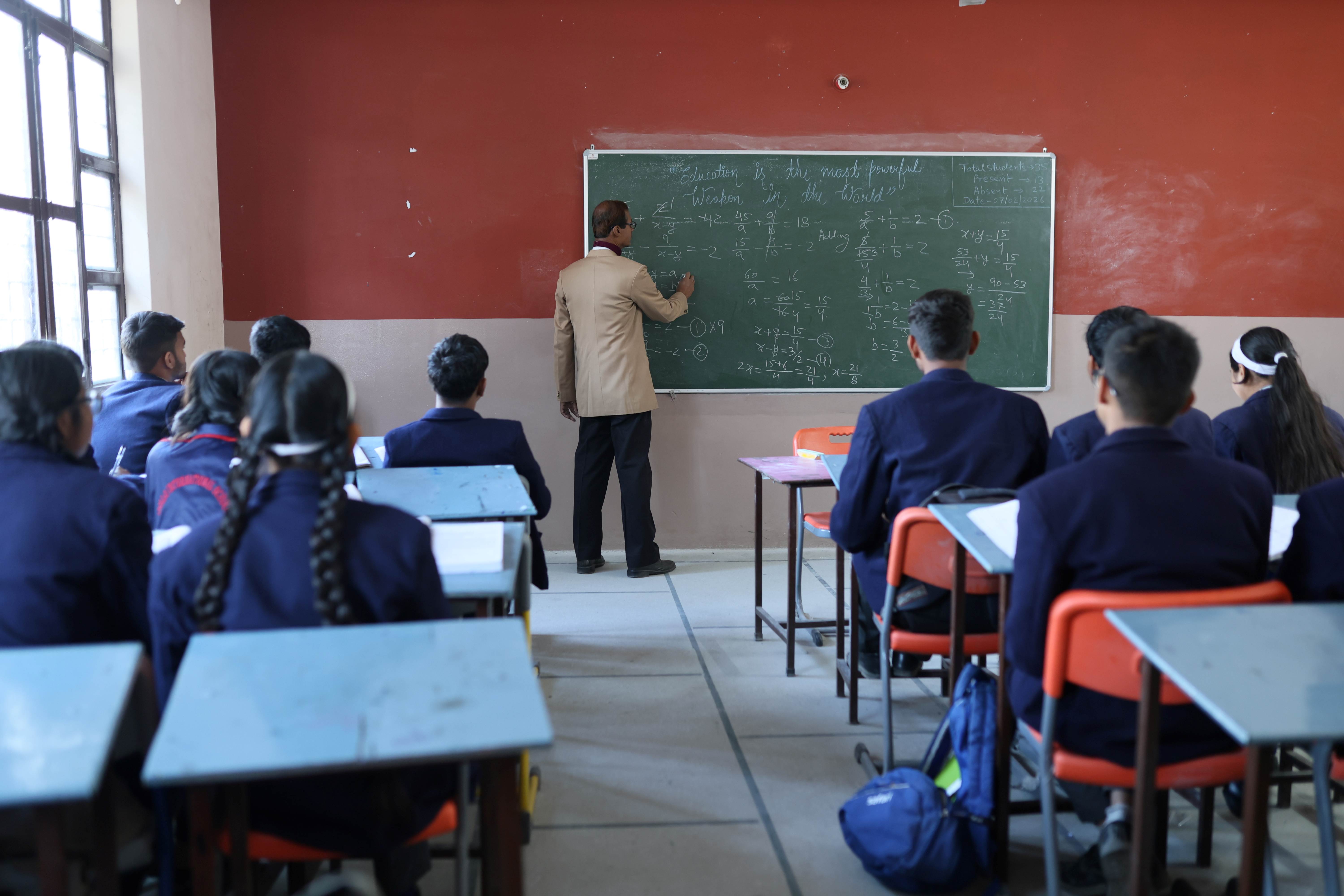
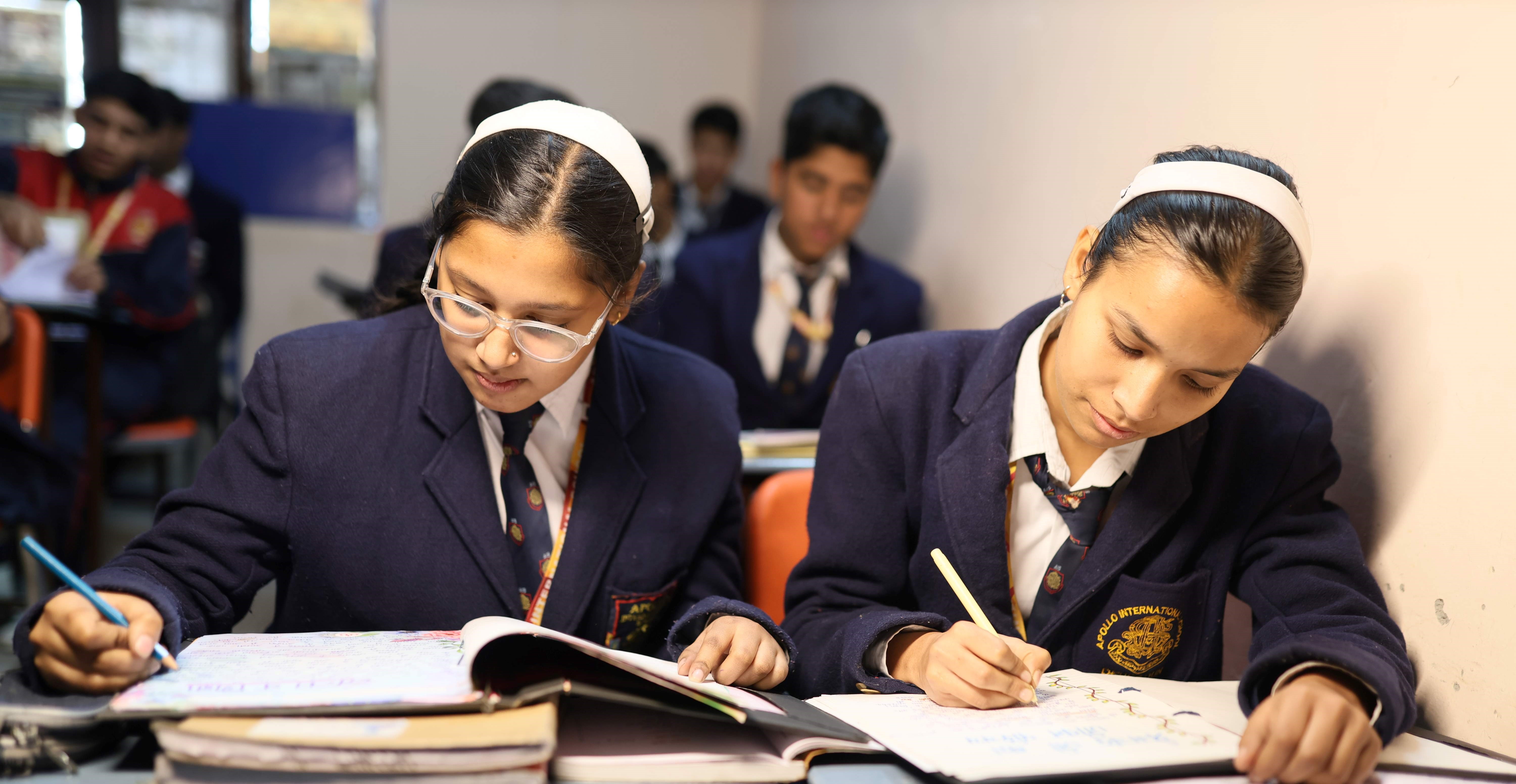
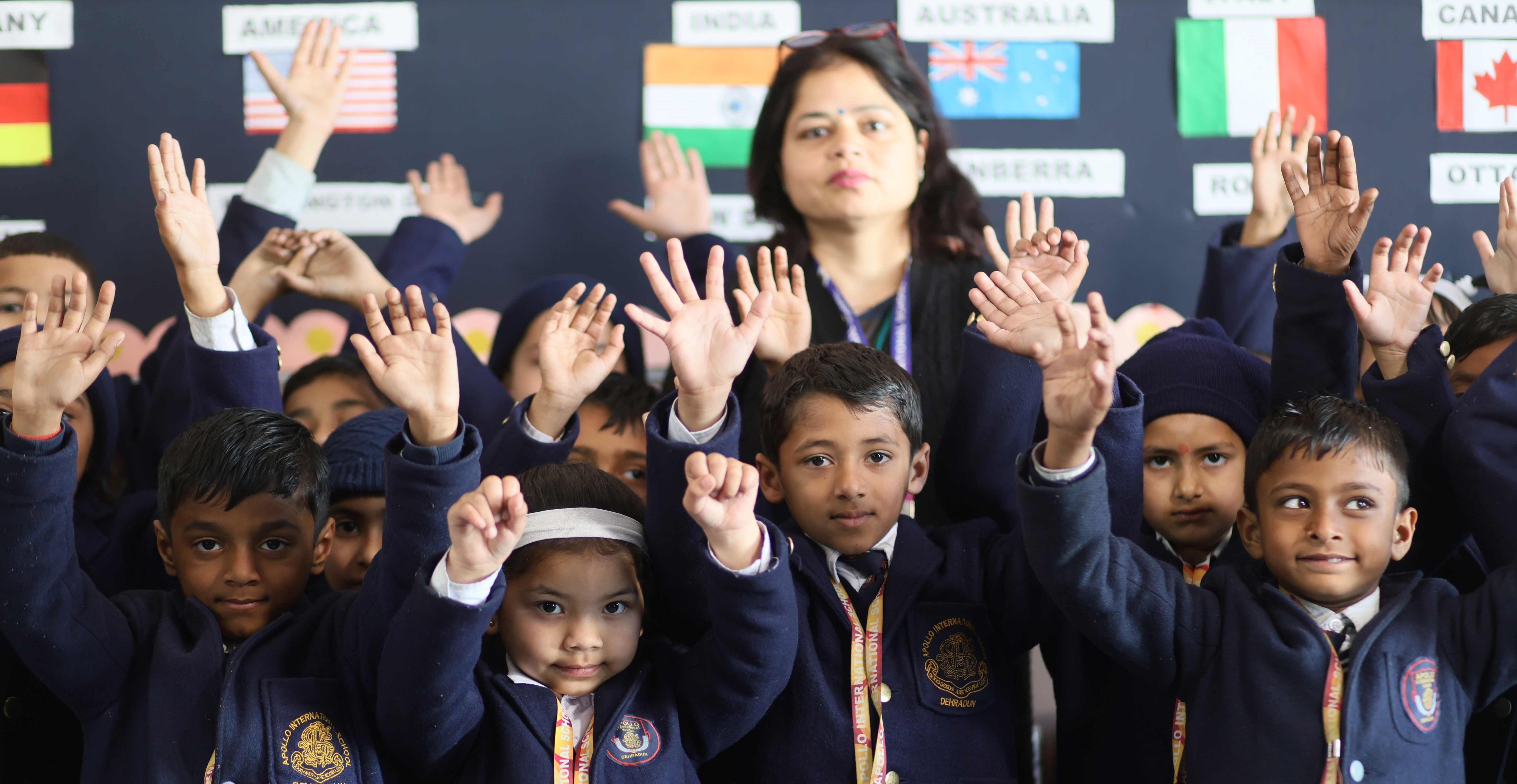
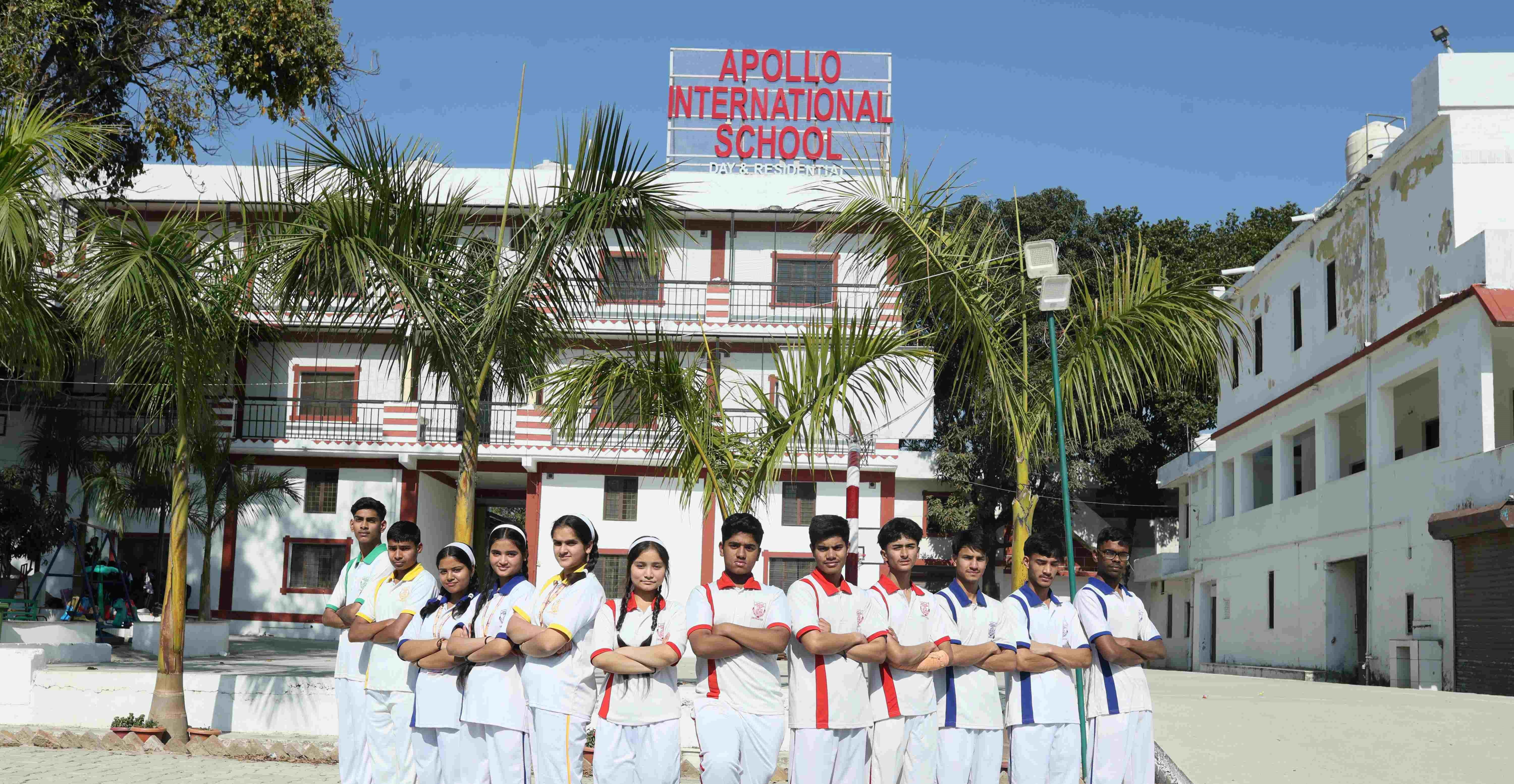
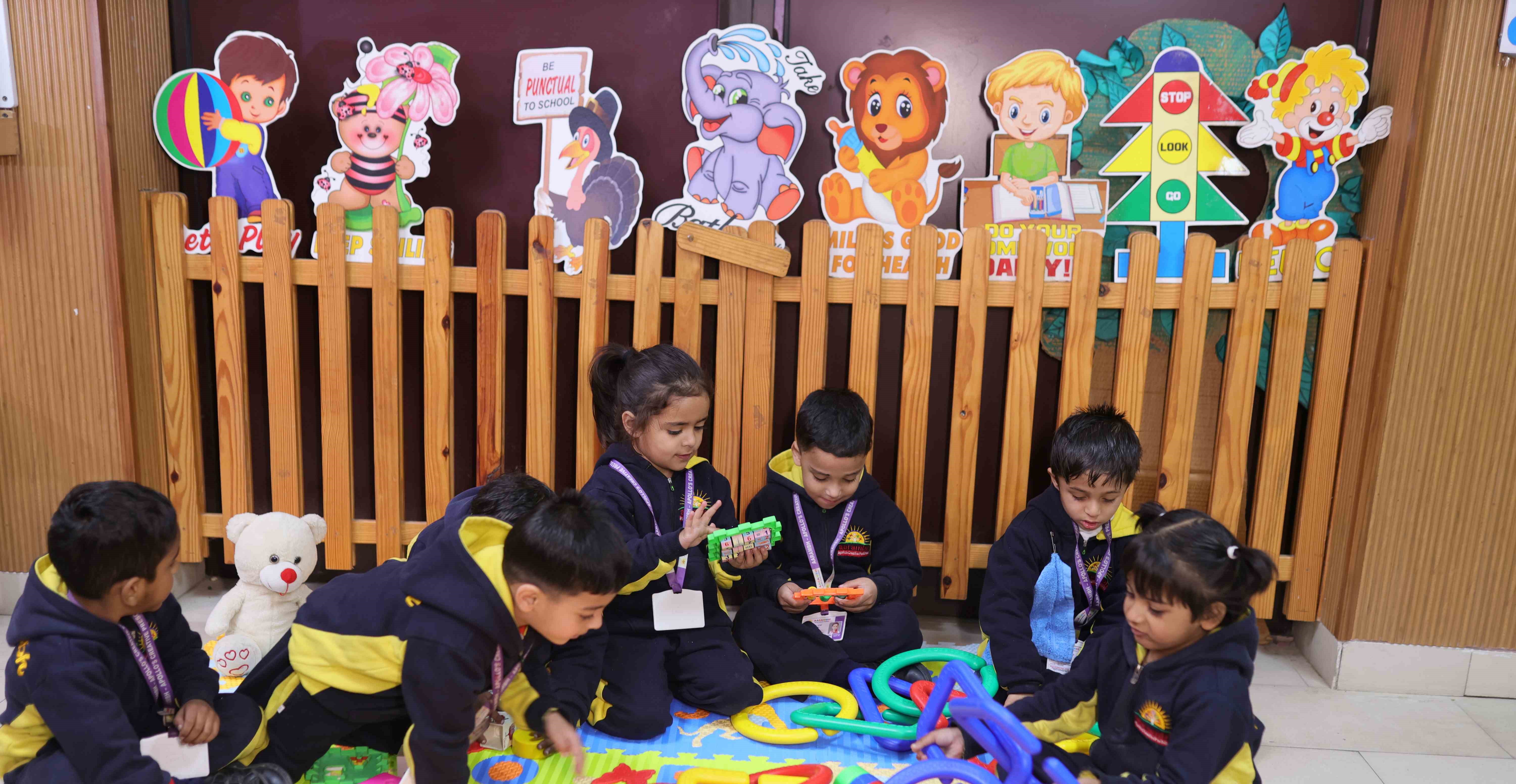
Apollo International School, established in March 1999, was conceived with a mission to offer quality education that prioritizes the holistic development of students. Its foundation rests on the belief that the needs and aspirations of students should be at the core of its educational philosophy. The school seeks to create a nurturing environment where academic excellence is achieved through personalized attention, catering to the unique strengths, interests, and learning paces of each student.

Whether literal (fantasy) or figurative, the idea that there is "one person" meant for another taps into a deep-seated human desire for destiny and belonging. 3. The Shift Toward "Healthy" Representation sexalarab-com-khyant-mzdwjt-aflam-sks-mtrjmt
Partners who support each other’s individual dreams rather than requiring one person to sacrifice everything for the sake of the relationship.
By watching characters choose between love and power, or love and safety, we clarify what we value in our own real-world relationships. Whether literal (fantasy) or figurative, the idea that
Tropes are the building blocks of romantic storylines. While they can be clichés if handled poorly, they provide a comfortable framework for exploring complex emotions.
A great romantic arc isn't just about two people falling in love; it’s about the that keeps them apart and the growth that brings them together. By watching characters choose between love and power,
This trope forces characters into intimate situations, allowing them to skip the "small talk" phase and see each other's true selves under the guise of a lie.
This is arguably the most popular trope in modern fiction. It provides built-in tension and a satisfying "thaw" as characters realize their preconceptions were wrong.
In the past, romantic storylines often romanticized toxic behaviors—obsessiveness, stalking, or "changing" a partner through sheer force of will. Today, there is a significant shift toward portraying , even within dramatic settings. Writers are now focusing on:
The best stories feature characters who have a reason not to be in a relationship. Perhaps they are afraid of vulnerability, haunted by a past betrayal, or focused entirely on a non-romantic goal. The romance serves as the catalyst for them to face their own flaws.
Whether literal (fantasy) or figurative, the idea that there is "one person" meant for another taps into a deep-seated human desire for destiny and belonging. 3. The Shift Toward "Healthy" Representation
Partners who support each other’s individual dreams rather than requiring one person to sacrifice everything for the sake of the relationship.
By watching characters choose between love and power, or love and safety, we clarify what we value in our own real-world relationships.
Tropes are the building blocks of romantic storylines. While they can be clichés if handled poorly, they provide a comfortable framework for exploring complex emotions.
A great romantic arc isn't just about two people falling in love; it’s about the that keeps them apart and the growth that brings them together.
This trope forces characters into intimate situations, allowing them to skip the "small talk" phase and see each other's true selves under the guise of a lie.
This is arguably the most popular trope in modern fiction. It provides built-in tension and a satisfying "thaw" as characters realize their preconceptions were wrong.
In the past, romantic storylines often romanticized toxic behaviors—obsessiveness, stalking, or "changing" a partner through sheer force of will. Today, there is a significant shift toward portraying , even within dramatic settings. Writers are now focusing on:
The best stories feature characters who have a reason not to be in a relationship. Perhaps they are afraid of vulnerability, haunted by a past betrayal, or focused entirely on a non-romantic goal. The romance serves as the catalyst for them to face their own flaws.