
 100% Safe and Secure
 Instant and Accurate Calculation
 User Friendly
30 days free trial
Shift your Account diary on jama Udhar Mobile Application

 100% Safe and SecureInstant and Accurate CalculationUser Friendly
Shift your Account diary on jama Udhar Mobile Application


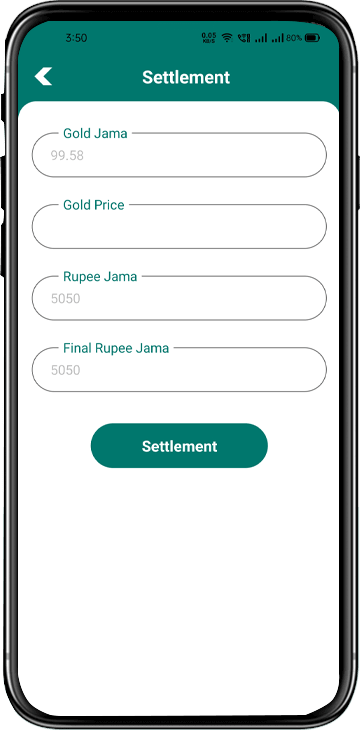



Your mistakes and easily be resolved with Jama Udhar!

All the details you need to know with visuals will be mentioned.

We maintain the records of your data unless you delete it!

You get notified for every activity on the application as fast as you can think!

You can share the details of your transaction with your co-workers and colleagues easily.

You can slide into any module and do your transaction without any hassle.

You can easily connect with your colleagues, and do smooth transactions!

We provide 24*7 support
Your mistakes and easily be resolved with Jama Udhar!
All the details you need to know with visuals will be mentioned.
We maintain the records of your data unless you delete it!
You get notified for every activity on the application as fast as you can think!
You can share the details of your transaction with your co-workers and colleagues easily.
You can slide into any module and do your transaction without any hassle.
Your mistakes and easily be resolved with Jama Udhar!
We provide 24*7 support
Your mistakes and easily be resolved with Jama Udhar!
All the details you need to know with visuals will be mentioned.
We maintain the records of your data unless you delete it!
You get notified for every activity on the application as fast as you can think!
You can share the details of your transaction with your co-workers and colleagues easily.
You can slide into any module and do your transaction without any hassle.
Your mistakes and easily be resolved with Jama Udhar!
We provide 24*7 support
This democratization has led to the rise of the . Modern audiences, particularly Gen Z and Alphas, often find more value in the "authentic" content of a Twitch streamer or a DIY creator than in a big-budget studio film. This shift has made media more diverse, niche, and immediate. The Role of Social Media as a Newsroom
As we look forward, the boundaries of entertainment content are expanding into the and Augmented Reality (AR) . We are moving away from being passive observers and toward becoming active participants. Video games like Fortnite and Roblox are no longer just games; they are social hubs and concert venues.
Popular media is no longer just about fiction. Social media platforms have become the primary lens through which we view global events. X (formerly Twitter) and Instagram act as real-time newsrooms where the line between "entertainment" and "information" often blurs.
While this allows for instant awareness, it also presents challenges. The "gamification" of information means that for content to go viral, it often needs to be sensational. This has a profound impact on public discourse, shaping everything from political leanings to lifestyle trends. The Future: Immersive and AI-Driven
The landscape of how we entertain ourselves has shifted more in the last decade than in the century preceding it. To understand where we are, we have to look at the intersection of technology, storytelling, and human connection. The Great Migration: From Linear to On-Demand
Not long ago, "popular media" was defined by the watercooler moment. Everyone watched the same sitcom at 8:00 PM because that was the only time it was on. Today, the power has shifted entirely to the consumer.
Entertainment content and popular media serve as the mirror of society. They reflect our fears, our triumphs, and our evolving values. Whether it’s a 15-second viral dance or a three-hour cinematic epic, the media we choose to consume defines the era we live in. As technology continues to evolve, the core of popular media remains the same: our fundamental human desire to share stories and feel connected.
The rise of streaming giants like has turned entertainment into a personalized buffet. We no longer wait for weekly installments; we binge-watch entire seasons in a weekend. This "on-demand" culture has forced creators to change how they tell stories. Cliffhangers are no longer just for commercial breaks—they are designed to keep you from hitting the "close" button. The Democratization of Content
This democratization has led to the rise of the . Modern audiences, particularly Gen Z and Alphas, often find more value in the "authentic" content of a Twitch streamer or a DIY creator than in a big-budget studio film. This shift has made media more diverse, niche, and immediate. The Role of Social Media as a Newsroom
As we look forward, the boundaries of entertainment content are expanding into the and Augmented Reality (AR) . We are moving away from being passive observers and toward becoming active participants. Video games like Fortnite and Roblox are no longer just games; they are social hubs and concert venues.
Popular media is no longer just about fiction. Social media platforms have become the primary lens through which we view global events. X (formerly Twitter) and Instagram act as real-time newsrooms where the line between "entertainment" and "information" often blurs. sexmex240502galidivasexwithafanxxx720 new
While this allows for instant awareness, it also presents challenges. The "gamification" of information means that for content to go viral, it often needs to be sensational. This has a profound impact on public discourse, shaping everything from political leanings to lifestyle trends. The Future: Immersive and AI-Driven
The landscape of how we entertain ourselves has shifted more in the last decade than in the century preceding it. To understand where we are, we have to look at the intersection of technology, storytelling, and human connection. The Great Migration: From Linear to On-Demand This democratization has led to the rise of the
Not long ago, "popular media" was defined by the watercooler moment. Everyone watched the same sitcom at 8:00 PM because that was the only time it was on. Today, the power has shifted entirely to the consumer.
Entertainment content and popular media serve as the mirror of society. They reflect our fears, our triumphs, and our evolving values. Whether it’s a 15-second viral dance or a three-hour cinematic epic, the media we choose to consume defines the era we live in. As technology continues to evolve, the core of popular media remains the same: our fundamental human desire to share stories and feel connected. The Role of Social Media as a Newsroom
The rise of streaming giants like has turned entertainment into a personalized buffet. We no longer wait for weekly installments; we binge-watch entire seasons in a weekend. This "on-demand" culture has forced creators to change how they tell stories. Cliffhangers are no longer just for commercial breaks—they are designed to keep you from hitting the "close" button. The Democratization of Content
© Copyright 2021, Jama Udhar all right reseved