Thiraikathai Eluthalam Vaanga Pdf Upd 2021 May 2026
Modern audiences connect with authentic, rooted emotions rather than exaggerated, melodramatic tropes. Ground your story in reality, even if it is a high-concept sci-fi or fantasy. 🏁 Final Thoughts
The climax and resolution. All loose ends are tied up.
4. Scene Construction (காட்சி அமைப்பு)
While Sujatha taught the traditional linear structure, modern audiences love hyper-link cinema and non-linear timelines (like the films of Lokesh Kanagaraj or Vetri Maaran). Master the basic structure first, then break it creatively. Write for Visuals, Not Just Dialogue
Downloading pirated PDFs hurts the publishing industry and the legacy of authors.
Sujatha frequently warned against "radio dramas" disguised as movies. In the modern era of high-definition cinematography, let the camera tell the story. Keep dialogues punchy and realistic. Focus on Realistic Conflicts
Every scene must do one of two things: advance the plot or reveal character. If a scene does neither, it must be deleted. Show, don't tell—cinema is a visual medium. 📚 Looking for the "Thiraikathai Eluthalam Vaanga" PDF?
Sujatha was a master storyteller who bridged the gap between complex literature and commercial cinema. In this book, he breaks down Hollywood's structured screenwriting rules and adapts them perfectly for the Tamil film industry.
The confrontation. The hero faces obstacles, rising action, and a major midpoint shift.
3. Character Arc (கதாபாத்திரப் படைப்பு) Characters should not be static; they must evolve.
How to Install Windows® 10 To A GUID Partition Table (GPT)
Properly Install Windows® 10 on Your Storage Disk With UEFI Enabled In The System BIOS And The GPT (GUID Partition Table) Created
Summary
We recommend performing Windows® 10 installations enabling UEFI with a GUID Partition Table (GPT).
Some features may not be available if you use the Master Boot Record (MBR) style partition table.
Configure a system to install an OS to a GUID Partition Table (GPT) partition thiraikathai eluthalam vaanga pdf upd
| Note |
- We highly recommended performing a backup of your data. If you have a second disk drive with enough available capacity, you can create a system image and recover the full installation as it was before you started this procedure.
- Screenshots and directions below are examples. Consult with your motherboard or system manufacturer for specific BIOS instructions.
|
- Connect a USB Windows® 10 UEFI install key
- Boot the system into the BIOS (for example, using "F2" or the "Delete" key)
- Locate the "Boot Options Menu"
- Set Launch CSM to "Enabled." If CSM is set to "Disabled," you can skip to step 8 below
- Set Boot Device Control to "UEFI Only"
- Set Boot from Storage Devices to UEFI driver first
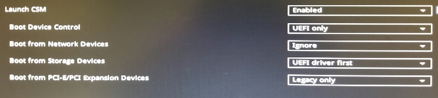
- Save your changes and restart the system.
- Reenter the BIOS (for example, using "F2" or the "Delete" key).
- Confirm in the Boot Priority List that the "USB UEFI OS Boot" option is at the top of the list.
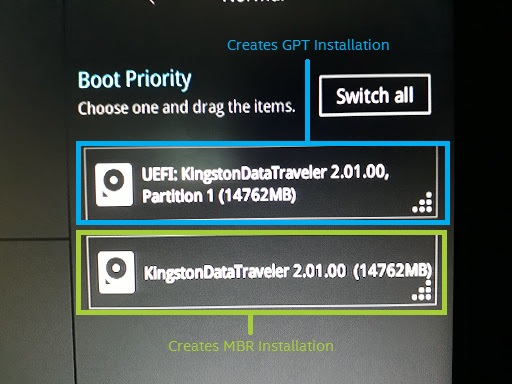
- Reboot the system and install Windows* as usual.
Confirm that Windows* is installed to a GPT partition.
- Boot into Windows*
- Open Disk Manager (For Windows® 10, press the "Windows*" key and the "X" key simultaneously, then click "Disk Manager"). You see three partitions including the EFI System Partition.
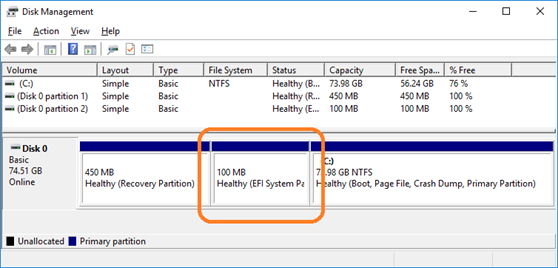
3. Right-click the disk shown as (Disk x, Basic, Capacity, Online) on the left
4. Select "Properties"
5. Click the "Volumes" tab. Here you can confirm the "Partition style".
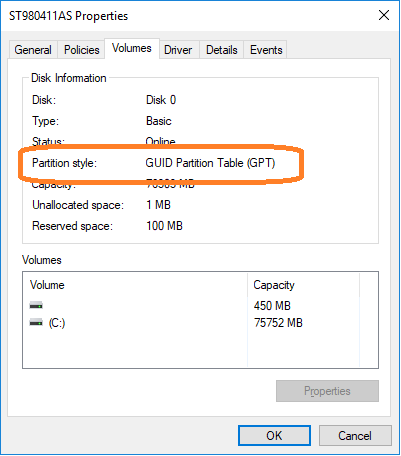
Questions? Check out our Community Forum for help. All loose ends are tied up
Issues? Contact Solidigm™ Customer Support:
[Chinese] [English] [German] [Japanese] [Korean]
Modern audiences connect with authentic, rooted emotions rather than exaggerated, melodramatic tropes. Ground your story in reality, even if it is a high-concept sci-fi or fantasy. 🏁 Final Thoughts
The climax and resolution. All loose ends are tied up.
4. Scene Construction (காட்சி அமைப்பு)
While Sujatha taught the traditional linear structure, modern audiences love hyper-link cinema and non-linear timelines (like the films of Lokesh Kanagaraj or Vetri Maaran). Master the basic structure first, then break it creatively. Write for Visuals, Not Just Dialogue
Downloading pirated PDFs hurts the publishing industry and the legacy of authors.
Sujatha frequently warned against "radio dramas" disguised as movies. In the modern era of high-definition cinematography, let the camera tell the story. Keep dialogues punchy and realistic. Focus on Realistic Conflicts
Every scene must do one of two things: advance the plot or reveal character. If a scene does neither, it must be deleted. Show, don't tell—cinema is a visual medium. 📚 Looking for the "Thiraikathai Eluthalam Vaanga" PDF?
Sujatha was a master storyteller who bridged the gap between complex literature and commercial cinema. In this book, he breaks down Hollywood's structured screenwriting rules and adapts them perfectly for the Tamil film industry.
The confrontation. The hero faces obstacles, rising action, and a major midpoint shift.
3. Character Arc (கதாபாத்திரப் படைப்பு) Characters should not be static; they must evolve.